Marijuana in Italy: Understanding Cannabis in Rome, Milan, and Other Cities in 2026
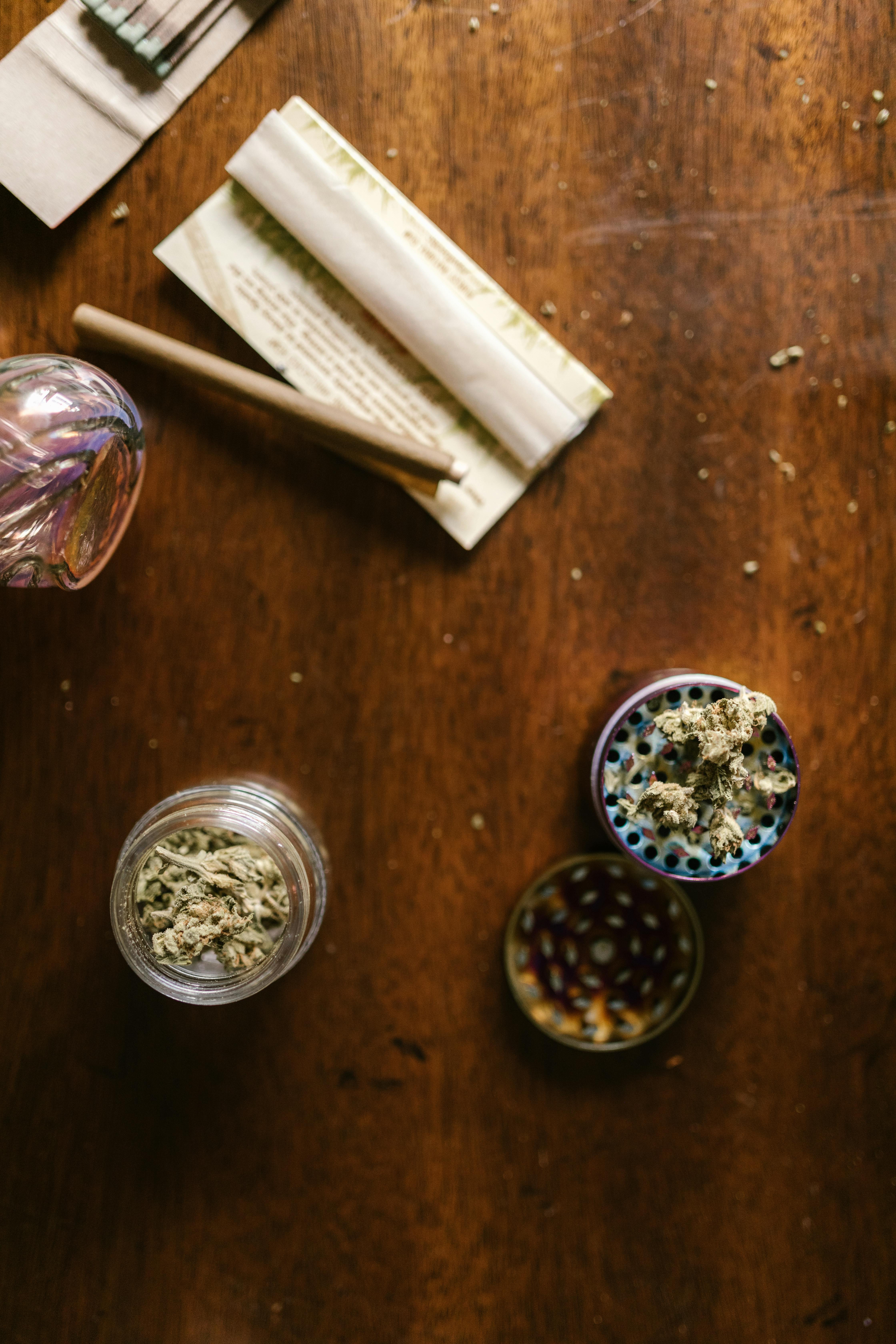
Buy weed in Italy in 2026: how and where to find it
Proceed to OrderCannabis contains dozens of active compounds, but the two most commonly discussed are CBD (cannabidiol) and THC (tetrahydrocannabinol). CBD does not produce a strong psychoactive effect and is usually associated with relaxation, reduced anxiety, better sleep, and a general sense of balance. It is more often considered in the context of well-being and everyday recovery..
THC, by contrast, has psychoactive properties: it affects mood, the perception of time, and sensory experience, and can enhance creative thinking or feelings of euphoria. With moderate use, some users report reduced stress and a deeper emotional response. In Italy, products with a high THC content remain prohibited from regular retail sale. Therefore, if you are interested in purchasing THC products, please follow the link.
Cannabis Light in Italy: How the Low-THC Market Works
Italy became one of the first countries in Europe where the cannabis light market developed actively — products with a minimal THC content, usually up to 0.2–0.5%. These goods are sold legally as technical or collectible products.
Shops with signs such as cannabis shop can be found in Rome, Milan, Bologna, and other cities. At the same time, this does not refer to classic psychoactive marijuana, but to strains with a high CBD level and low THC content. This model is what shaped the distinctive Italian approach to regulation.
Italian Marijuana Laws: The Difference Between Possession and Distribution
Italy’s legal system makes an important distinction between personal use and distribution. Possession of a small amount for personal use is not treated as a criminal offense, but it may still lead to administrative measures such as temporary suspension of a driver’s license or a fine.
Actions related to sale or production are treated very differently: they fall under criminal liability. For that reason, the legal assessment in Italy depends heavily on the context, quantity, and surrounding circumstances.

Medical Cannabis in Italy: How the System Is Regulated
Medical cannabis is officially permitted in Italy and regulated by the state. Production is carried out in part under the supervision of military pharmaceutical institutions, and access is possible by prescription.
Cannabis-based medicines are used for chronic pain, neurological conditions, and other cases where conventional therapy is not sufficiently effective. This is a separate segment and is not connected to the cannabis light market.
Marijuana in Italy and the Future of Legalization
In Italy, the issue of full cannabis legalization regularly becomes a subject of public debate. Petitions, initiatives, and parliamentary proposals appear almost every year, but a unified position has not yet been formed.
Given the already existing model of cannabis light and medical cannabis, Italy appears to be moving along a gradual rather than abrupt path of change. As a result, future developments will depend mainly on the political course and public pressure.

CBD Products in Italy: Is It Legal to Buy and Use Them?
CBD in Italy is widely available in the form of oils, cosmetics, and food supplements. These products can be found in specialized shops and on online platforms, although the regulatory rules are revised from time to time.
The key factor remains the THC content and how the product is classified. The Italian CBD market is considered one of the largest in Southern Europe, which is why the topic of “CBD Italy” remains consistently popular.
FAQ — Cannabis in Italy
01Is marijuana legal in Italy?
Recreational marijuana is not officially legal in Italy.
02What is cannabis light in Italy?
Cannabis light refers to products with a very low THC content, usually up to 0.2–0.5%. These goods are sold legally in specialized shops across Italy and do not produce a strong psychoactive effect.
03Can you buy weed in Rome or Milan?
Only products with minimal THC content are legally available, while classic psychoactive marijuana remains outside the regular retail market.
04Is CBD allowed in Italy?
In Italy, CBD is allowed as long as THC content remains within legal limits. Oils, cosmetics, and other cannabidiol-based products are widely available on the market.
05Is medical cannabis available in Italy?
Yes, medical cannabis is allowed in Italy and regulated by the state.
06Is marijuana legalization being considered in Italy?
The issue of legalization is discussed from time to time in parliament and in public debate. For now, the country continues to follow a model of partial regulation through medical cannabis and cannabis light.
07Can you buy recreational marijuana in Italy?
Yes, click on the link to purchase.